PAWTALKS WITH WHISKERHAUS
WITH CO-FOUNDER MICHELLE CHOU
Mar 18, 2026 12:00 AM
What was the inspiration behind WHISKERHAUS?
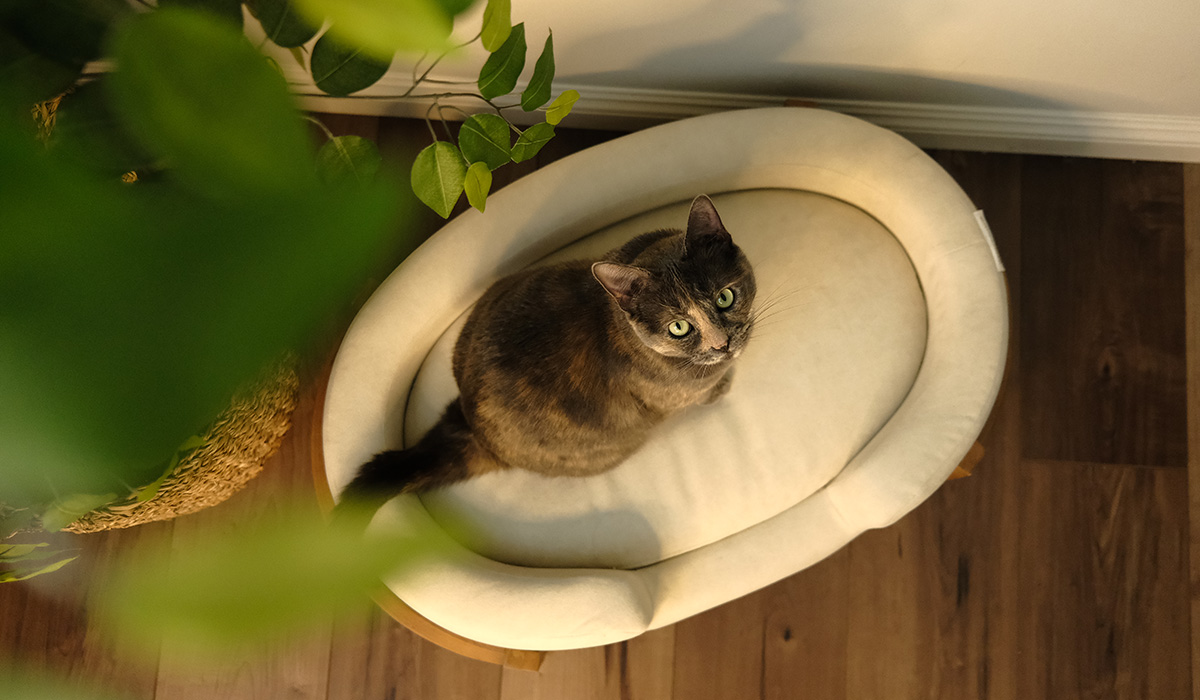
We saw a gap. Pet beds looked cute online but fell apart fast, or they clashed with modern homes. We set out to build pieces that look at home in a well-designed space and hold up the way real furniture should.
How does your brand differ from other industry brands in the same category? What gives you the competitive edge?
Our beds are built like real human furniture, with style and construction first. We use upholstery grade materials, solid frames, and true furniture methods so the beds keep their shape and support. Fabrics are modern, pet friendly, easy to clean, and made to handle daily wear. We also keep prices grounded. You should not have to spend $500 to get a bed that looks good and lasts. Ours beds are priced more than half that.
Describe the ingredients you look for in the products you use.
- Upholstery grade, tightly woven fabrics that resist snags and clean up easily
- Supportive cushioning that bounces back and stays comfortable
- Non toxic finishes and materials that are safe for pets and people
- Washable, replaceable covers and parts to extend product life
- Hardware and stitching meant for furniture, not throwaway goods
"The industry needs clearer materials disclosure and a shift to durable, repairable designs. If we build things to last and tell the truth about what is inside, pets, owners and the planet all win."
Walk us through your development process — from ideation to the product we see on the shelf.
Ideas start with real pain points from pet owners and from our own homes. We sketch and model, then build working samples using our furniture shop standards. Foster cats and dogs test every piece at home. We refine comfort, height, cover fit and cleaning details, then run durability checks and packaging trials. Only when a bed looks right, feels right and survives daily use do we release it.
What are some things you take into consideration during the creation of new products?
When we design, fit in the home comes first. Cleaning and care must be simple. The look should complement a modern space, not shout. If we cannot make it durable and fairly priced, we do not make it.
Other than WHISKERHAUS, what is something you are passionate about?
We foster cats, donate to local shelters and rescues, and we actually let fosters live on our beds during testing. It keeps us honest about comfort and durability, and it helps animals that need a safe place to land.
What is one major lesson you learned about running a business?
Stay humble, do solid work, and celebrate small wins. It is easy to chase the next thing and forget progress. We build on steady habits and keep improving.
What are some challenges you have overcome with WHISKERHAUS?
Time and focus. Building clear identity while expanding the line takes patience. We are tightening our visual standards, educating customers on why build quality matters, choosing the right retail partners, and growing in a way that protects service and quality.
What would you say is your most effective marketing channel?
Instagram, hands down. Real pet content, founder clips and customer reposts let people see how the beds live in a home.
"Fabrics are modern, pet friendly, easy to clean, and made to handle daily wear. We also keep prices grounded. You should not have to spend $500 to get a bed that looks good and lasts. Ours beds are priced more than half that. "
Give us the backstory of your brand’s name.
We wanted a premium name that still felt warm and pet focused. WHISKERHAUS clicked right away. It hints at design while staying playful!
What would you like to see for WHISKERHAUS's future?
Direct to consumer lets us listen and move fast. Next, we want to place with the right national retailers and continue to build products that serve the community as our main focus.
What do you think is the most prominent concern in the pet industry?
Too much disposable product and not enough transparency. Many beds look good for a month and head to a landfill. On top of that, customers are left guessing about what is in the fabric or foam. The industry needs clearer materials disclosure and a shift to durable, repairable designs. If we build things to last and tell the truth about what is inside, pets, owners and the planet all win.


To access the PawWire website, please sign in with your username and password.
If you do not have an account, please download the mobile app to create a username and password.
The mobile app is available on: